What Is Noun And Pronoun / choose nouns or pronouns appropriately Powerpoint Presentation | Apple For The Teacher Ltd. According to oxford dictionary a noun is a word (other than a pronoun) used to identify any of a class of people, places, or things (common noun), or to name a particular one of these (proper noun). Because they act as substitutes for various nouns they have to form different categories depending on their use. In the same vein, based on the grammatical premise that a pronoun is a word that is used in the place of a noun, we can identify a pronoun used in the. The person category affects pronouns. A pronoun is a word that is used instead of a noun or noun phrase.
You can remember subject pronouns easily by filling in the rule 2. Nouns are the objects or people of a sentence. We can usually identify an interrogative pronoun by the fact that they often appear at the beginning of a. In the same vein, based on the grammatical premise that a pronoun is a word that is used in the place of a noun, we can identify a pronoun used in the. A noun is the name of a person, place, or a pronoun is a word that can be substituted for the noun.
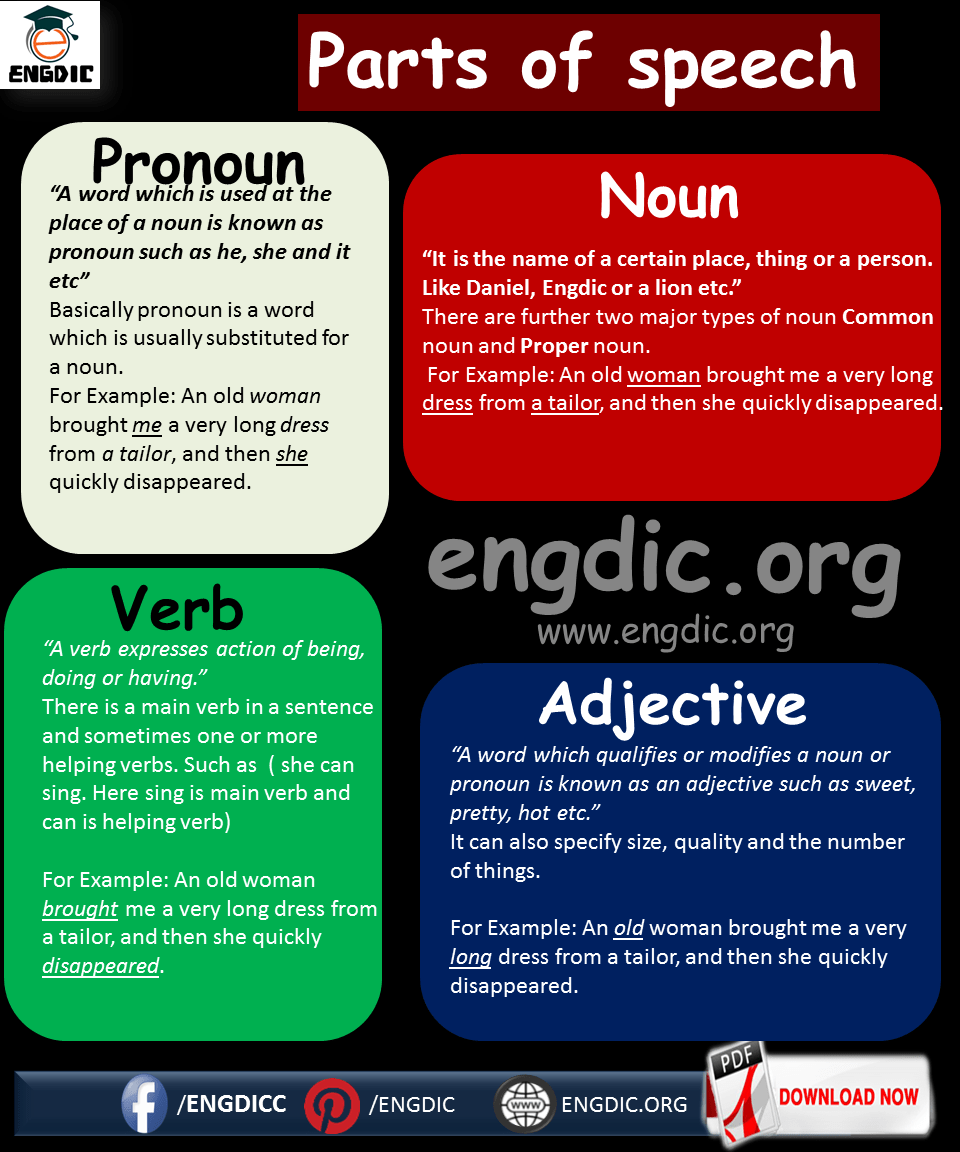
Parts of speech| Noun Pronoun Preposition - 𝕰𝖓𝖌𝕯𝖎𝖈 from engdic.org The distinguishing characteristic of pronouns is that they can be substituted for other nouns. Nouns are one of the eight parts of speech in the english language. He, she, him, her, them, they, us, we, you, i, that, which, whom, those. What are examples of pronouns? A singular replaces a singular noun and a plural replaces a plural noun, right? Nouns nouns are the names of things, people, animals, places, qualities, actions, and ideas. Who wants a bag of jelly beans? What are the arguments for including and excluding english pronouns from the english noun category?
I'm elizabeth o'brien, and my goal is to get you jazzed about grammar.
Nouns that don't look like nouns. A singular replaces a singular noun and a plural replaces a plural noun, right? Pronoun is a derived term of noun. Nouns and pronouns are different parts of speech. What are examples of pronouns? He is a blind mountain climber. Pronouns refer to either a noun that has already been mentioned or to a noun that does not need to be named specifically. A pronoun is a word that suitably replaces the noun in a sentence. She will bring some jam. Pronouns can be subjects of the sentence (i, he, she, it, you, we, they) or express possession (his, her, your, my, mine, yours, its. These pronouns are divided into different categories. Because they act as substitutes for various nouns they have to form different categories depending on their use. I'm elizabeth o'brien, and my goal is to get you jazzed about grammar.
The subjects of the first and second sentences refer to the same individual: Nouns are the words which are used to identify people, places, objects, etc. Nouns can be simply the names of people, objects, places or ideas. Pronoun is a derived term of noun. A pronoun is a word that takes the place of a noun.
Nouns Worksheet Pack - Common, Proper, Abstract, Collective, Pronouns | Nouns and pronouns ... from i.pinimg.com Who wants a bag of jelly beans? We now have a more accurate idea of what a noun is, and we can classify more words as nouns than. Pronouns refer to nouns that have already been mentioned or are about to be mentioned. What are examples of pronouns? Nouns and pronouns are the words that act as the subjects and objects of sentences. Types of pronouns include personal. I'm elizabeth o'brien, and my goal is to get you jazzed about grammar. This chapter introduces nouns and pronouns to students of class 7.
Pronouns are actually a subclass of nouns because they often replace a noun and can complete the same function in a sentence.
Pronouns refer to either a noun that has already been mentioned or to a noun that does not need to be named specifically. Nouns and pronouns are important parts of a language. A pronoun is a word that is used instead of a noun or noun phrase. Native english speakers nearly always use the correct personal pronouns, and there are few serious mistakes associated with them, but. Usually, if you mention a noun in a discourse, you use a pronoun the next time you refer. Without pronouns, we'd constantly have to repeat nouns, and that would make our speech and writing repetitive, not to mention cumbersome. He is a blind mountain climber. Types of pronouns include personal. They are usually single words, but not always. These pronouns are divided into different categories. What are the arguments for including and excluding english pronouns from the english noun category? While nouns only have two distinct categories, pronouns have multiple. Nouns and pronouns are the words that act as the subjects and objects of sentences.
Pronouns refer to nouns that have already been mentioned or are about to be mentioned. Nouns are the objects or people of a sentence. We now have a more accurate idea of what a noun is, and we can classify more words as nouns than. Learn the pronoun definition, pronoun types and examples of pronouns with this useful study guide from online grammar and citation tool easybib. Here are summary tables of all the forms of nouns and pronouns and the functions associated with them.
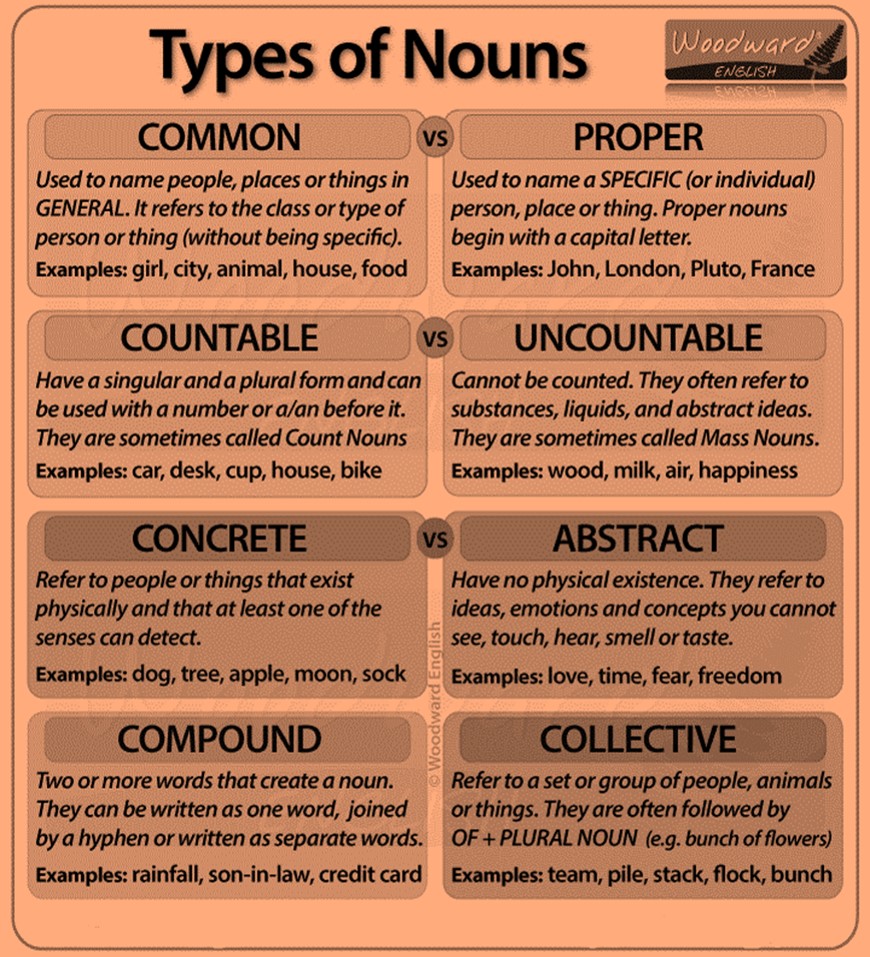
Class 3: Nouns and Pronouns - English Square from english.olympiadsuccess.com Pronouns refer to either a noun that has already been mentioned or to a noun that does not need to be named specifically. Nouns can be categorized into three basic groups: Here are summary tables of all the forms of nouns and pronouns and the functions associated with them. Both nouns and pronouns are important concepts in grammar and are what are nouns. These pronouns are divided into different categories. Distributive adjective qualifies the noun distributive pronoun show persons or things in individual or in separate groups. * demonstrative pronoun * indefinite pronoun * intensive pronoun * interrogative pronoun * object pronoun * personal pronoun * possessive pronoun * reciprocal pronoun * reflexive pronoun * relative pronoun. Who wants a bag of jelly beans?
Pronouns make up a small subcategory of nouns.
A proper noun is a name which refers only to a single person, place, or thing and there is no common name for it. He, she, him, her, them, they, us, we, you, i, that, which, whom, those. Nouns are the objects or people of a sentence. Pronouns refer to nouns that have already been mentioned or are about to be mentioned. Usually, if you mention a noun in a discourse, you use a pronoun the next time you refer. Do you see how the pronoun he took the place of the noun erik weihenmayer? The logical classifications (pronouns are a kind of noun, and possessive determiners are not pronouns) are clearly more simple and therefore easier to understand. We now have a more accurate idea of what a noun is, and we can classify more words as nouns than. Distributive adjective qualifies the noun distributive pronoun show persons or things in individual or in separate groups. Pronouns substitute for nouns when we want to avoid using the name of the object or person again in the sentence. A singular replaces a singular noun and a plural replaces a plural noun, right? We can usually identify an interrogative pronoun by the fact that they often appear at the beginning of a. Pronouns are words that we use in place of nouns (or other pronouns) in a sentence to make it less repetitive and less awkward.